Preserve Your Family's Stories, Voices and Memories
Photographs keep faces. Names keep dates. Neither keeps the person — the way they told a story, the advice they repeated, the reason a recipe mattered. Eterna helps your family preserve that while it can still be told first-hand.
Photos survive. The person behind them usually doesn't
Most families already have thousands of photographs, a shoebox of documents, and a handful of names on a chart. What they rarely have is context: who that is in the back row, what the argument in that story was really about, why a grandmother kept making a dish nobody especially liked.
That context lives in one place — the person — and it leaves quietly. Nobody decides to lose it. A question simply never gets asked, and then it can't be. How to record a life story covers the practical method in more depth.
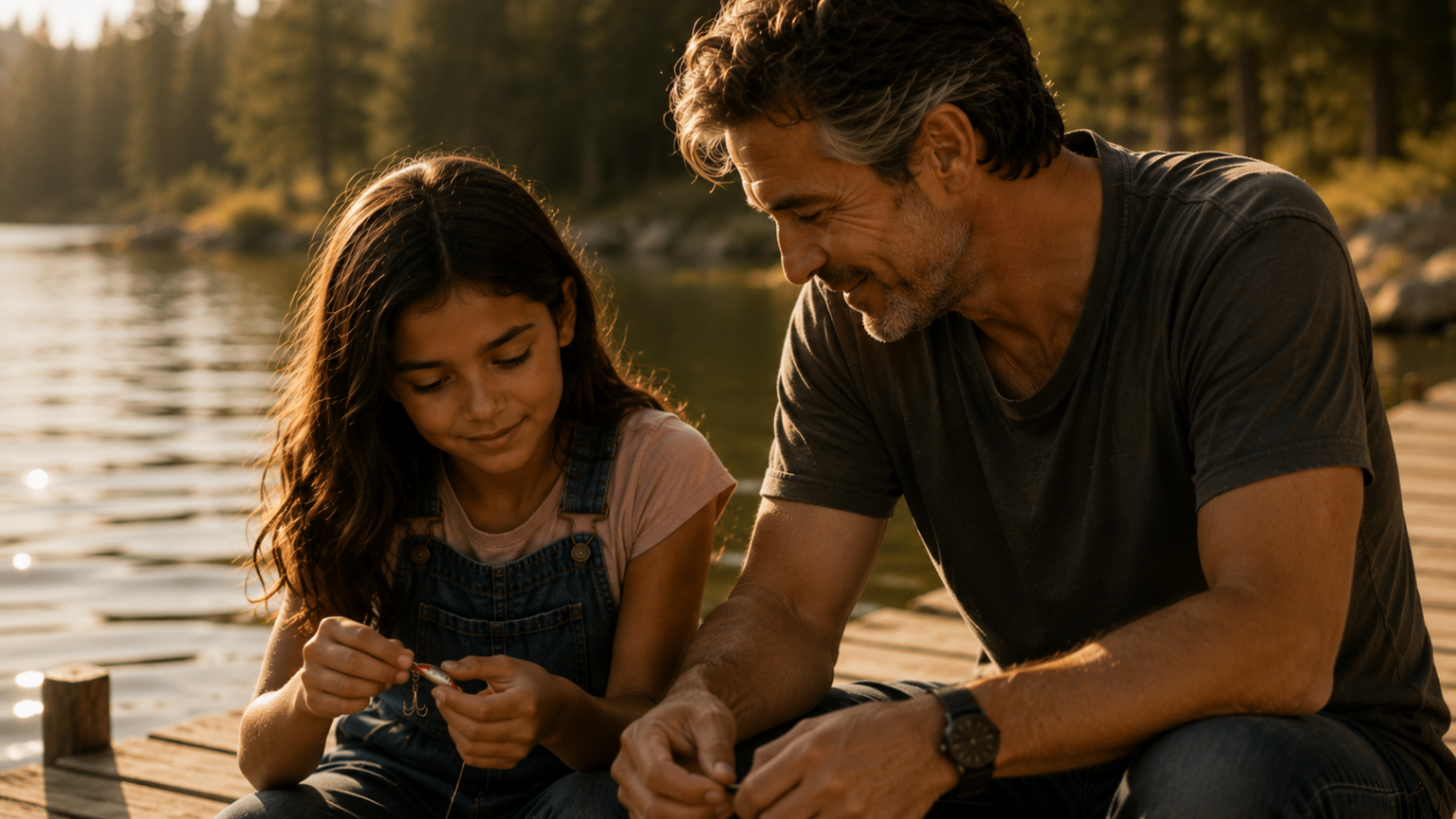
What families preserve in Eterna
Interviewing parents and grandparents
Guided prompts ask the questions families mean to ask and rarely do — childhood, first jobs, how they met, the year everything changed. You don't have to know what to ask.
Their actual voice
Recordings stay attached to the story they belong to, so years later you still know who is speaking and what they were talking about.
Recipes and traditions
The Sunday dish, the holiday ritual, the phrase somebody always said. Captured with the story behind it rather than as a bare instruction.
Childhood stories
The small ones that get retold at every gathering and then, one year, stop being told. Written or spoken, kept in one place.
Advice worth keeping
What they believed, how they made hard decisions, what they'd warn you about. The part of a person that usually survives only as paraphrase.
Photos with their context
Who is in the frame, where it was, and why that afternoon mattered. A labelled photo is a memory; an unlabelled one becomes a stranger.
Future messages and time capsules
Seal a letter or a blessing and set it to open at a graduation, a wedding, or a birthday that hasn't happened yet.
Family relationships
A family tree that connects people to their stories, so a name always leads somewhere.
If voice is the part you care most about, preserving your voice explains what to record and how to get clean audio at home. For messages meant to arrive later, see digital time capsules.
The best time is while they can still tell it themselves
This isn't a morbid project. It's the opposite: an excuse to sit down with someone and ask about their life while they're here to enjoy being asked. Most families find the conversations are the point, and the archive is what's left over.
A recording of your mother describing her first apartment is worth having on an ordinary Tuesday, not only later. Start with one story. Add the next one when you think of it. Eterna as a digital legacy app covers the broader picture, and our family history app page explains how this fits alongside genealogy research.
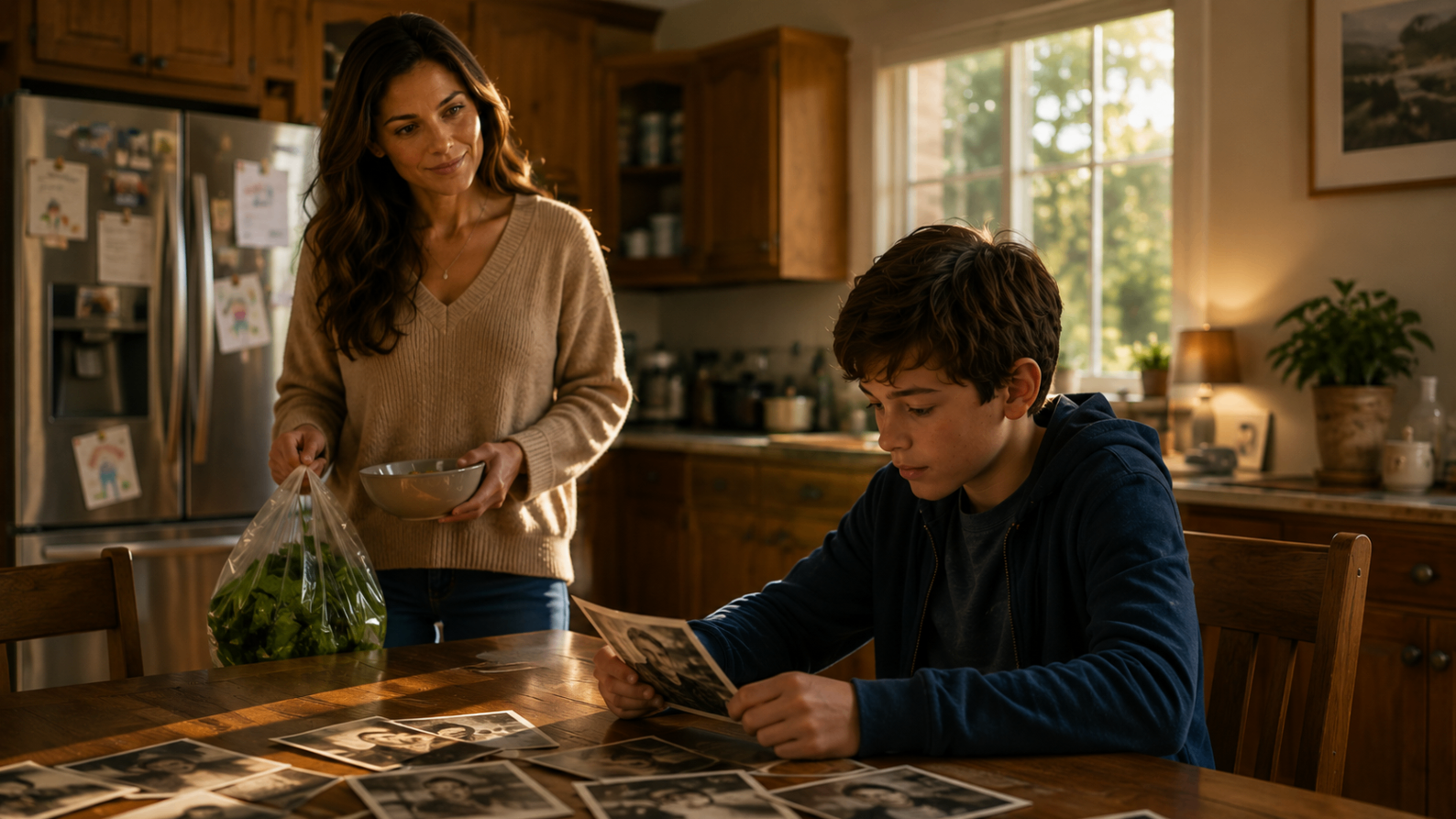
Kept privately, used by the people it belongs to
Everything you save is private by default. You choose what is shared, with whom, and when sealed messages open. Content can be exported or deleted at any time.
Most of what families build gets used while everyone is still here — a story read aloud at a birthday, a recording played for a grandchild, a family question finally settled because somebody wrote down what actually happened. Eterna is free to start; see plans for what each tier includes.
Common questions
How do I start preserving my family's memories?
Start with one person and one conversation. In Eterna you create a legacy, answer guided prompts, and add photos, recordings, people and traditions as they come up. Sessions can be short — the archive is built to grow over time rather than in one sitting.
Can I record my parents' or grandparents' voices?
Yes. Voice recordings can be attached to the stories they belong to, so the audio stays labelled and in context instead of sitting in an unnamed folder. Creating a cloned voice that can speak new sentences is a separate, consent-based capability available on the Heirloom tier.
Can I preserve family recipes and traditions?
Yes. Eterna has a place for family traditions and the stories behind them, and recipes can be captured as stories with photos and the context that explains why they matter to your family.
What if the person has already passed away?
Families can create a memorial using the memories, letters, photos and recordings they already have. It won't be the same as capturing someone in their own words, which is why starting while people can still tell their own stories matters.
Who can see what we save?
Everything in Eterna is private by default. You decide what is shared, who can see it, and when sealed future messages open. You can export or delete your content at any time.
What does it cost to start?
Eterna is free to start. Premium and Heirloom tiers add further capability — see the pricing page for what each tier includes.
Eterna. Your legacy. Their tomorrow.
One conversation is enough to begin. The version of this archive that matters is the one that exists.